Chicago to Pay $90 Million to Settle Cases Tied to an Ex-Police Sergeant’s Team
The agreement to resolve scores of lawsuits was a significant blow to a city facing budget challenges, but not as pricey as some officials had feared.
Chicago City Council members agreed on Thursday to pay $90 million to 180 people who said they were victims of a unit with corrupt police officers who fabricated evidence, charged drug dealers a “street tax” and falsely arrested people at a public housing complex in the early 2000s.
Approval of the settlement, which is expected to be paid next year, came as Chicago’s schools, transit network and pension funds were already facing foundational budget problems. Still, many City Council members described the agreement as a relative bargain given the quantity of lawsuits and the seriousness of the allegations against former Sgt. Ronald Watts and other officers who worked on his South Side tactical team.
“I almost think not enough is being made about what a staggeringly good outcome this is for the taxpayers of the city of Chicago,” Bill Conway, a City Council member, said earlier this month when a committee advanced the settlement proposal.
Taxpayers in Chicago, the country’s third-largest city, have repeatedly been asked to pay out multimillion-dollar sums to cover allegations of police misconduct and to settle lawsuits stemming from police shootings. All the while, the city has raised property taxes, faced budget shortfalls and struggled to reckon with pension liabilities.
The cases involving Mr. Watts began to come to light in 2012 when federal prosecutors accused him and a colleague, Officer Kallatt Mohammed, of stealing what the two men believed to be drug money. Both men pleaded guilty to stealing government funds and were sentenced to stints in federal prison.
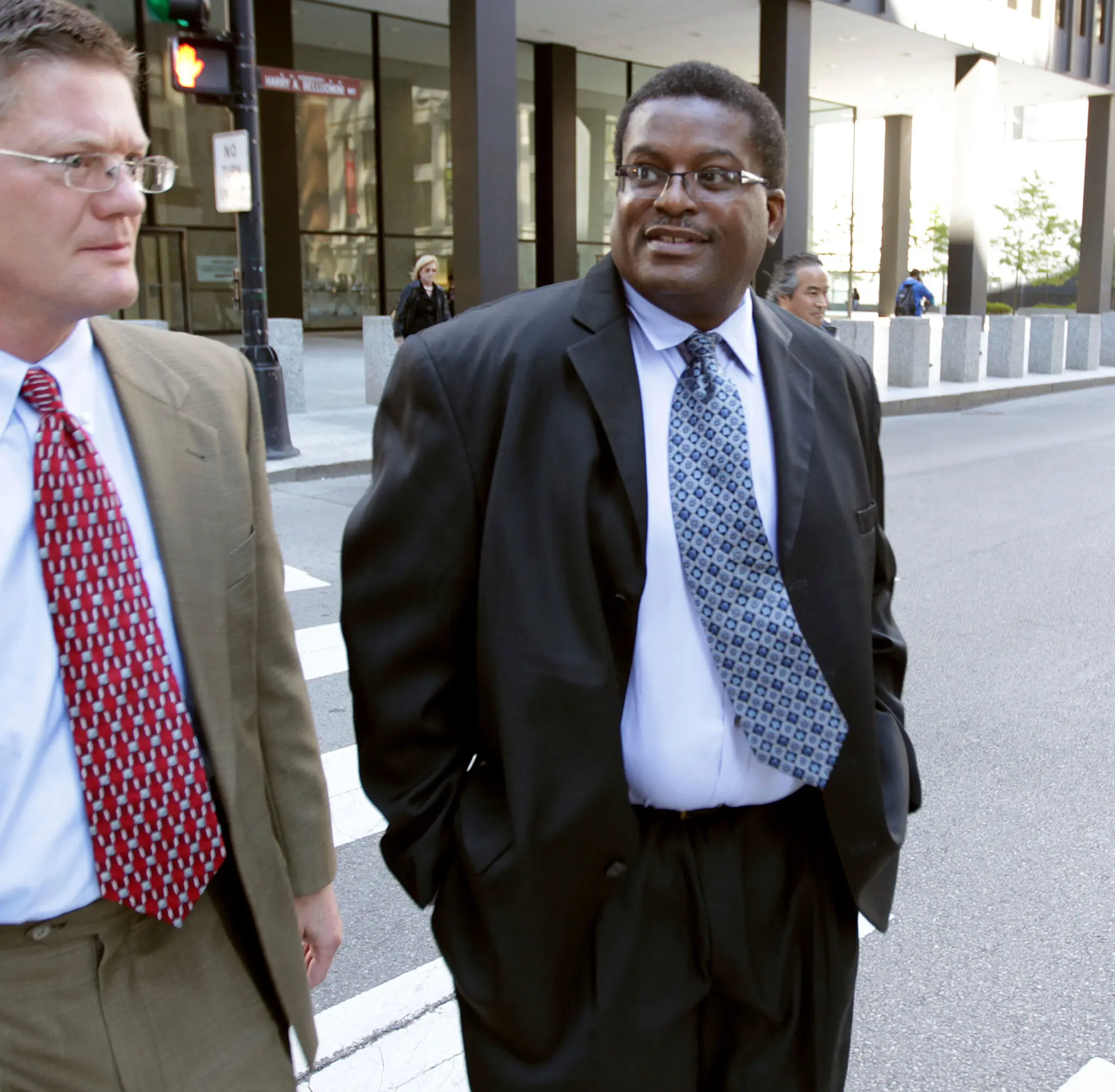
In the years that followed, scores of people came forward with claims that they had been wrongly arrested by Mr. Watts, Mr. Mohammed or other members of their South Side police team. Those plaintiffs, many of whom had been convicted and sentenced to prison, described a vast, long-running conspiracy in which Mr. Watts and officers he worked with manufactured evidence and falsely accused people of drug crimes at the Ida B. Wells public housing complex, on Chicago’s South Side. Local prosecutors ultimately moved to vacate hundreds of convictions tied to Mr. Watts and his team.
As the old criminal cases were dismissed, new federal lawsuits piled up, faulting the city for failing to stop Mr. Watts’s team from wrongly arresting people and manufacturing criminal charges.
City officials said the settlement approved on Thursday would be split among plaintiffs who had collectively spent at least 182 years in prison “based on fabricated evidence presented by Watts and his tactical team.” All convictions tied to those arrests have been vacated, city officials said, and most of the plaintiffs have received certificates of innocence.
“The longer these cases remain unresolved, the more expensive closure becomes, driven largely by the potential for extraordinarily large jury awards, rising settlement costs and mounting attorneys’ fees,” Mary B. Richardson-Lowry, a lawyer for the city, said in a statement.
The Chicago Police Department has long struggled to build and maintain trust with residents. The department’s superintendent, Larry Snelling, said in a statement that “the cases involved in this settlement do not represent the Chicago Police Department of today” and that “we are continuously implementing safeguards to strengthen accountability and supervision.”
A lawyer for Mr. Watts, Ahmed Kosoko, said his client did not wish to comment on the settlement.
Mr. Kosoko said his client’s role in the cases being settled had been misunderstood and distorted. In many of those arrests, Mr. Kosoko said, Mr. Watts’s “limited involvement, where any existed at all, was administrative and supervisory.”